Table of Contents
- Introduction
- The Unique Anatomy of the Eye Contour
- How Eye Cream Can Inadvertently Cause Wrinkles
- Common Application Mistakes That Age the Eyes
- Ingredient Intelligence: What to Look For (and What to Avoid)
- The Phyto-Aromatic Approach to Eye Care
- Myth vs. Fact: Eye Cream Edition
- Lifestyle Factors That Impact Eye Aging
- The Professional Touch: Beyond Home Care
- Bottom Line: Is Your Eye Cream Working for You?
- Conclusion
- FAQ
Introduction
The skin surrounding your eyes is often the first place to tell the story of your life—every laugh, every late night, and every bright morning. This delicate area is uniquely expressive and incredibly fragile, leading many of us to reach for specialized treatments to preserve its youthful radiance. However, a growing concern among skincare enthusiasts is whether the very products intended to help might actually be causing harm. It is a valid question: can eye cream cause wrinkles?
In this article, we will explore the delicate anatomy of the eye contour and how certain formulas, ingredients, or application methods might inadvertently contribute to the appearance of fine lines. At Yon-Ka Paris, we believe that effective skincare is a balance of professional-grade botanical science and respect for the skin’s natural rhythm, as outlined in our formulas. By understanding the common pitfalls of eye care and adopting a refined, phyto-aromatic ritual, you can ensure your eyes remain a vibrant reflection of your well-being.
Quick Answer: While eye cream itself is designed to support the skin, using formulas that are too heavy for your skin type, containing harsh irritants, or applying them with too much physical pressure can lead to sagging and the formation of fine lines. Selecting lightweight, targeted botanical formulas and using a gentle "patting" technique is essential for preventing premature aging in this sensitive area.
The Unique Anatomy of the Eye Contour
To understand how an eye cream might contribute to aging, we must first look at why this area is so different from the rest of the face. The skin around the eyes is roughly three to five times thinner than the skin on the cheeks or forehead. It lacks the dense network of sebaceous (oil) glands found elsewhere, which means it has a naturally weaker lipid barrier. This makes the eye area highly susceptible to dehydration, which often manifests as fine, crepey lines.
Furthermore, the eye area is subject to constant movement. We blink upwards of 10,000 times a day, squint in the sun, and move our eyes to express a vast range of emotions. Because the underlying support structure—made of collagen and elastin—is already thinner here, this repetitive motion can lead to "expression lines" more quickly than in other areas.
When we apply a product to this fragile zone, we are interacting with a landscape that has very little "padding" from subcutaneous fat. This means that any stress, whether chemical (from an irritating ingredient) or physical (from rough handling), has an outsized impact on the skin's appearance.
How Eye Cream Can Inadvertently Cause Wrinkles
It seems counterintuitive that a product marketed for anti-aging could cause the very problem it seeks to solve. However, there are three primary ways this can happen: through formulation weight, migration, and chronic irritation.
The Problem with Heavy Occlusives
Many traditional moisturizers and some rich eye creams rely heavily on occlusive ingredients like mineral oil or petroleum derivatives. While these are excellent for locking in moisture on the body or very dry patches of skin, they can be problematic for the eye contour. If your routine needs a softer touch, our dry & dehydrated skin collection is a useful place to start.
Because the skin here is so thin, heavy oils can physically weigh down the tissue. Over years of daily use, this "micro-tugging" caused by gravity and the weight of the product can weaken the skin’s elastic fibers. This leads to a loss of firmness and the appearance of sagging, which makes existing wrinkles look more pronounced and encourages the formation of new ones.
The "Puffiness Paradox" and Migration
The eye area is highly porous. If you apply a rich, oily cream too close to the lash line, the product can migrate into the eye itself as your body temperature warms the formula. This often leads to morning puffiness or "bags." If you want to compare targeted options for delicate contours, explore the eye and lip contour collection.
When the skin puffs up due to fluid retention or irritation and then settles back down throughout the day, it undergoes a "stretch and contract" cycle. If this happens every night, the repeated stretching can eventually lead to skin laxity. This loss of elasticity is a primary driver of permanent wrinkling and a "tired" appearance.
Chronic Low-Level Irritation
The eye area is incredibly sensitive to synthetic fragrances, certain preservatives, and even high concentrations of some active ingredients. If an eye cream causes even a slight, unnoticeable tingle or redness, it may be triggering a low-level inflammatory response. For a closer look at how Yon-Ka chooses botanicals and actives, see our ingredients.
Skincare professionals often refer to this as "inflamm-aging." Chronic inflammation breaks down collagen and elastin over time. If your eye cream is too "active" for your sensitivity level, you might be trading a short-term plumping effect for long-term structural damage.
Key Takeaway: The goal of eye care should be "functional support" rather than "heavy hydration." Choosing formulas that offer lightweight, bio-available ingredients ensures the skin is nourished without being burdened.
Common Application Mistakes That Age the Eyes
Sometimes, the issue isn't the product itself, but how it is being used. Even the most sophisticated formula can fail if the application technique is flawed.
Applying Too Much Pressure One of the most common mistakes is "rubbing" or "dragging" the cream across the skin. Using the index finger often applies too much pressure. Instead, professionals recommend using the ring finger—the weakest finger—to gently pat the product into the skin. This prevents the physical displacement of the delicate tissue.
Using Too Much Product In the world of eye care, more is not better. A pea-sized amount is usually sufficient for both eyes. Using an excessive amount increases the risk of product migration into the eyes, leading to the puffiness and stretching mentioned earlier.
Applying to the Eyelids Unless a product is specifically formulated for the upper eyelids, like our eye and lip contour collection, you should generally avoid applying cream directly to the lids. The product can easily travel into the eye, causing irritation and swelling. Instead, focus on the orbital bone—the hard ridge around the eye socket.
Ignoring the Power of Capillary Action You do not need to apply eye cream right up to the lash line. Through a process called capillary action, the skin will naturally draw the product inward toward the eye. By applying the cream to the orbital bone, you allow the skin to absorb what it needs without risking direct contact with the sensitive ocular membranes.
Ingredient Intelligence: What to Look For (and What to Avoid)
To prevent eye cream from causing wrinkles, you must be discerning about the ingredients in your ritual.
Avoid These "Weighty" Ingredients:
- Mineral Oil & Petrolatum: These can be too heavy for the thin eye area and may lead to milia (small white bumps) or sagging.
- Synthetic Fragrances: A common source of hidden irritation that contributes to inflamm-aging.
- Harsh Sulfates: If your eye makeup remover or cleanser is too "stripping," it leaves the eye area vulnerable to dehydration lines.
Embrace These Supporting Ingredients:
- Rosemary: A powerful phyto-stimulant that supports natural drainage. This is a key ingredient in our Phyto-Contour cream, which is designed to visibly de-puff and firm the eye area.
- Peptides: These act as messengers to support the skin's natural collagen and elastin production, helping to maintain the "snap-back" quality of the skin.
- Hyaluronic Acid: A humectant that draws moisture into the skin to plump the appearance of fine lines without adding heavy oil.
- Vitamin C: Known for its brightening effects, stable forms of Vitamin C help defend the skin against environmental stressors that cause premature aging.
Note: When introducing a new eye treatment, we always recommend a patch test. Apply a small amount to the inner forearm for 24 hours to ensure your skin enjoys the formula. While a slight, fleeting tingling sensation can be normal with active botanicals, any persistent redness or irritation means you should reduce the frequency of use or consult a professional.
The Phyto-Aromatic Approach to Eye Care
At Yon-Ka, we believe that the eye area requires a bespoke approach. Our formulas are born in the professional treatment room, where estheticians have spent decades observing how the skin reacts to different botanical actives. We prioritize the use of high-quality plant extracts and essential oils that work in harmony with the skin's biology.
Our signature Quintessence—a blend of lavender, geranium, rosemary, cypress, and thyme—is often used at precise, safe concentrations to provide both a sensorial experience and targeted skin benefits. For the eyes, this means providing revitalization and drainage without the risk associated with synthetic "filler" ingredients.
Recommended Eye Ritual
To ensure you are supporting your eyes correctly, we suggest integrating these steps into your daily program:
- Gentle Cleansing: Start with a barrier-respecting cleanser like Lait Nettoyant. This milky formula removes impurities without stripping the delicate eye area.
- Prepare with a Mist: A light veil of Lotion Yon-Ka PS hydrates the skin and prepares it to better absorb the active ingredients in your treatment.
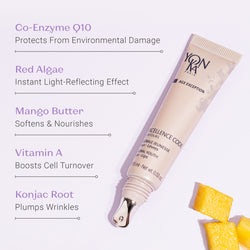
- Targeted Treatment: Apply a specialized eye cream. For those concerned with puffiness and dark circles, Phyto-Contour is a favorite for its refreshing rosemary aroma and firming effect. For more mature skin seeking to address deep wrinkles and sagging, Excellence Code Contours provides a more intensive, lifting appearance.
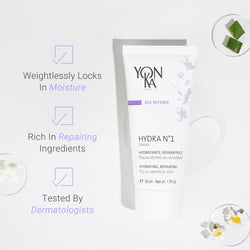
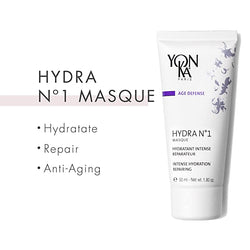
- Moisturize the Rest of the Face: Follow with your preferred moisturizer, such as Hydra N°1 Creme, taking care to stop at the orbital bone where your eye treatment began.
If you are unsure which eye treatment is right for your specific concerns, we invite you to use our Skin Diagnosis quiz to find your perfect fit.
Myth vs. Fact: Eye Cream Edition
Myth: "Eye cream is just a more expensive version of face moisturizer." Fact: Eye creams are specifically formulated with smaller molecules for better penetration in thin skin and are tested for safety around the eyes. They often exclude ingredients found in face creams—like certain heavy waxes or high-strength acids—that would be too harsh or heavy for the eye contour.
Myth: "I don't need eye cream until I see wrinkles." Fact: Skincare is most effective when it is preventative. Supporting the skin's moisture barrier and protecting it from environmental stress in your 20s and 30s can significantly delay the appearance of permanent lines.
For a deeper dive into this topic, read our Do Eye Creams Actually Work for Wrinkles? guide.
Lifestyle Factors That Impact Eye Aging
While a high-quality eye ritual is essential, it is only one piece of the puzzle. The appearance of the eye area is also heavily influenced by your daily habits.
The Role of Sleep and Hydration Lack of sleep and dehydration are the primary causes of temporary dark circles and puffiness. When the body is tired or dehydrated, the skin can appear dull and sunken, making fine lines look deeper. Aim for consistent rest and plenty of water to keep the skin looking "plump" from the inside out.
Sun Protection UV damage is responsible for a vast majority of skin aging. Many people neglect to apply SPF near their eyes for fear of stinging. However, the skin around the eyes is the most vulnerable to sun-induced collagen breakdown. Use the sun care collection or wear UV-protective sunglasses to shield this fragile area.
Dietary Salt and Puffiness High sodium intake causes the body to retain water, which often shows up as under-eye bags in the morning. As we discussed, this repeated puffing and contracting can lead to skin laxity. Maintaining a balanced diet helps prevent the inflammatory "stretch" on the eye tissue.
The Professional Touch: Beyond Home Care
For those who want to take their eye care to the next level, professional treatments offer results that home care alone cannot achieve. A professional Yon-Ka facial often includes specific eye-contour techniques, such as lymphatic drainage or specialized mask applications, that provide intensive revitalization.
These treatments use professional-strength versions of our botanical formulas to deeply hydrate and firm the skin. You can find a certified professional near you by using our Spa Locator to experience the transformative power of a phyto-aromatic eye treatment.
Bottom Line: Is Your Eye Cream Working for You?
Skincare should never feel like a chore or a source of stress. It is a daily ritual of self-care—a moment to breathe and nourish both your skin and your spirit. If you suspect your current eye cream is causing puffiness, irritation, or isn't delivering the appearance of smoothness you desire, it may be time to reassess your formula and technique.
Signs your eye cream is a good fit:
- The skin feels comfortable and hydrated, not "tight" or "greasy."
- You do not wake up with unusual morning puffiness.
- Fine lines caused by dehydration are visibly smoothed.
- The product absorbs easily without leaving a thick film.
Signs you should switch:
- Persistent redness, itching, or stinging.
- The appearance of milia (small white bumps).
- Eyes feel "heavy" or look more swollen after application.
- The skin feels "smothered" or becomes excessively oily.
If you are still unsure, use our Product Matcher to narrow down the best fit for your eye area and surrounding routine.
Conclusion
At Yon-Ka Paris, we remain dedicated to the belief that the most effective skincare is rooted in nature and refined by science. For over 70 years, we have championed the power of phyto-aromatic care to support the skin’s health at every stage of life. While it is possible for an eye cream to contribute to wrinkles through poor formulation or improper use, the right product—applied with a gentle, professional touch—is a powerful ally in your anti-aging journey.
By choosing lightweight, nutrient-rich formulas and honoring the delicate anatomy of your eyes, you can transform your routine from a simple task into a revitalizing ritual. We invite you to explore our anti-aging collection and discover how 70 years of French skincare expertise can help you look and feel your most radiant.
Key Takeaway: The eye area is a delicate landscape that requires a light touch. Avoid heavy, occlusive ingredients that can weigh the skin down, and instead opt for botanical formulas that support drainage and structural integrity. Consistent, gentle care is the secret to a youthful gaze.
FAQ
Can using too much eye cream cause more wrinkles?
Yes, applying an excessive amount of eye cream can lead to product migration into the eye, which causes puffiness and inflammation. When the skin repeatedly swells and then contracts as the puffiness subsides, it can lose its elasticity over time, leading to sagging and more visible fine lines.
Should I apply eye cream on my eyelids?
Generally, you should avoid applying eye cream directly to your upper eyelids unless the product is specifically labeled for that area. Most formulas can travel into the eye when applied to the lids, causing irritation or morning puffiness; it is best to apply the product only along the orbital bone.
Why does my eye cream make my skin look more wrinkled immediately?
If your eye area looks more wrinkled after applying a product, it may be a sign of irritation or a reaction to a "drying" active ingredient like a high-strength retinoid. This can cause temporary surface dehydration, making fine lines appear deeper; if this occurs, you should switch to a more hydrating, soothing formula.
What is the best way to apply eye cream to avoid skin damage?
The best technique is to use your ring finger to gently pat a small, pea-sized amount of cream along the orbital bone, moving from the inner corner outward. Never rub or pull the skin, as this physical stress can damage the delicate elastin fibers and contribute to premature sagging and wrinkling.